The Social Media Strategy That Works for Healthcare (No Dancing Required)
The Social Media Strategy That Works for Healthcare (No Dancing Required)
You're running a healthcare practice, and social media feels like a time suck with zero patients showing up. But 63% of healthcare consumers trust health information from influencers, and 82% of patients follow advice from healthcare pros online.[1] Stick to this no-nonsense plan: focus on education, real faces, and consistent posting. You'll build trust and fill your schedule without viral stunts.
Pick Your Platforms Based on Real Use
Start with where your patients already hang out. Facebook leads for healthcare, with 95% of hospitals active there and 89% using it for engagement.[1] It's great for local audiences searching for orthodontists or medspas near them.
Instagram works too, especially stories for quick tips. Healthcare campaigns there reach 3 times more than other channels, and the industry engagement rate hits 5%.[1][2] Post 8 times a week like top performers do.[2]
Skip TikTok dances. YouTube sees 94% of U.S. healthcare businesses posting, perfect for longer explainers on procedures.[2] Twitter suits pros, with 87% of physicians using it.[1] Test one or two platforms first, track what drives calls.
Share Educational Content That Answers Questions
Patients hit social media for info before booking. Over 60% search there for health details, and 40% say provider interactions sway their choices.[1] Give them what they want: short answers to common problems.
Make 30-90 second videos of you or your team explaining "What to expect from Invisalign" or "Botox recovery time." Short-form video drives over 50% of paid social engagement, and patients trust ads with real clinicians 2-3 times more.[4]
Repurpose one video into a Facebook post, Instagram carousel, and YouTube short. Use hashtags like #healthyliving, seen in over 100 million posts.[1] 51% of patients view your care quality higher after these interactions.[1]
Post patient education 65% of pros already do this.[1] Aim for 3-5 posts weekly. Track views to likes ratio, tweak based on what gets shares.
Build Trust with Your Real Team, Not Stock Photos
People want humans, not polish. Feature your clinicians in videos sharing honest stories. 50% of U.S. citizens buy health products after social media exposure, often from relatable content.[2]
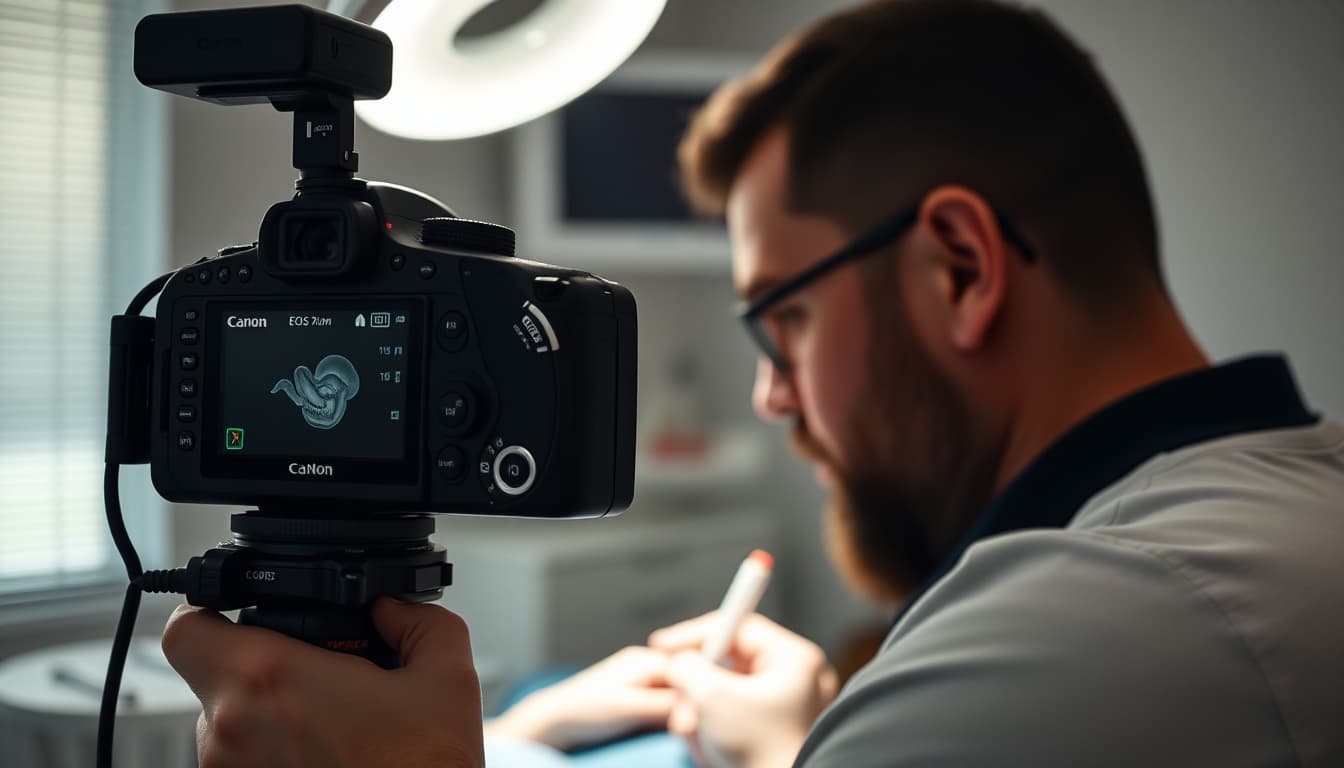
Short-form video from clinicians outperforms brand ads in engagement and appointments.[4] Film your orthodontist demoing a smile fix, or medspa nurse on filler myths. Post natively on each platform.
Encourage reviews. Local reviews boost credibility as patients check ratings before calling.[4] Respond to every comment within 24 hours. This turns lurkers into bookers.
91% of healthcare pros use social for patient education now.[1] Your practice can stand out by keeping it real. Patients book with people they trust.
Use Paid Ads to Target Ready-to-Book Patients
Organic reach sucks, so spend smart. Healthcare social ad spending hits $3.14 billion by 2025, with 60% of marketers picking Facebook.[1] Start with $50-100 weekly budgets.
Target look-alike audiences from your patient list. Run video ads to locals searching "hair restoration near me." 39% of healthcare conversions happen by phone, so use call buttons.[2]
Test clinician videos vs. static images. Instagram healthcare engagement is 5%, Facebook 1.9%.[2] 70% of executives have content strategies, but winners measure ROI weekly.[2][3]
Pause underperformers fast. Mobile ad spend grew 63% recently.[1] Use it for retargeting site visitors. Expect 10% weekly follower growth on Facebook like leaders see.[2]
Track What Fills Your Schedule, Not Just Likes
Don't guess. Hospital teams push analytics in 2026 to prove impact.[3] Use free tools like Facebook Insights for engagement, Google Analytics for site traffic from social.
Key metrics: link clicks, calls, bookings. Over 60% of adults seek health info online before appointments.[4] If a post drives 5 calls, double down.
Set a content calendar: Mondays for tips, Wednesdays for team spotlights. Multi-format content adapts to fragmented platforms.[5] Reuse videos as posts, stories, emails.
Review monthly. Short-form video is top priority but ROI tough.[3] Adjust based on data. Your goal: more patients, less wasted time.
Takeaway: Post 3-5 times weekly with clinician videos answering patient questions on Facebook and Instagram. Spend $100/week on targeted ads, track calls. In 30 days, you'll see bookings rise without dancing or hype. Start with one video today.
Sources
- [1]Social Media in Healthcare Statistics and Facts (2026)
- [2]Top 45 Healthcare Statistics to Follow in 2026 - Blacksmith Agency
- [3]Social Media Healthcare Strategic Priorities for 2026 - SocialMedia.org
- [4]2026 Healthcare Marketing Predictions for Healthcare Systems
- [5]The Year Ahead: Marketing Predictions for 2026 Healthcare Leaders
- [6]pulsepoint.com
- [7]campaignlive.com
- [8]cardinaldigitalmarketing.com
Ready to grow your practice?
Book a Call