Orthodontic Marketing in 2026: What's Changed
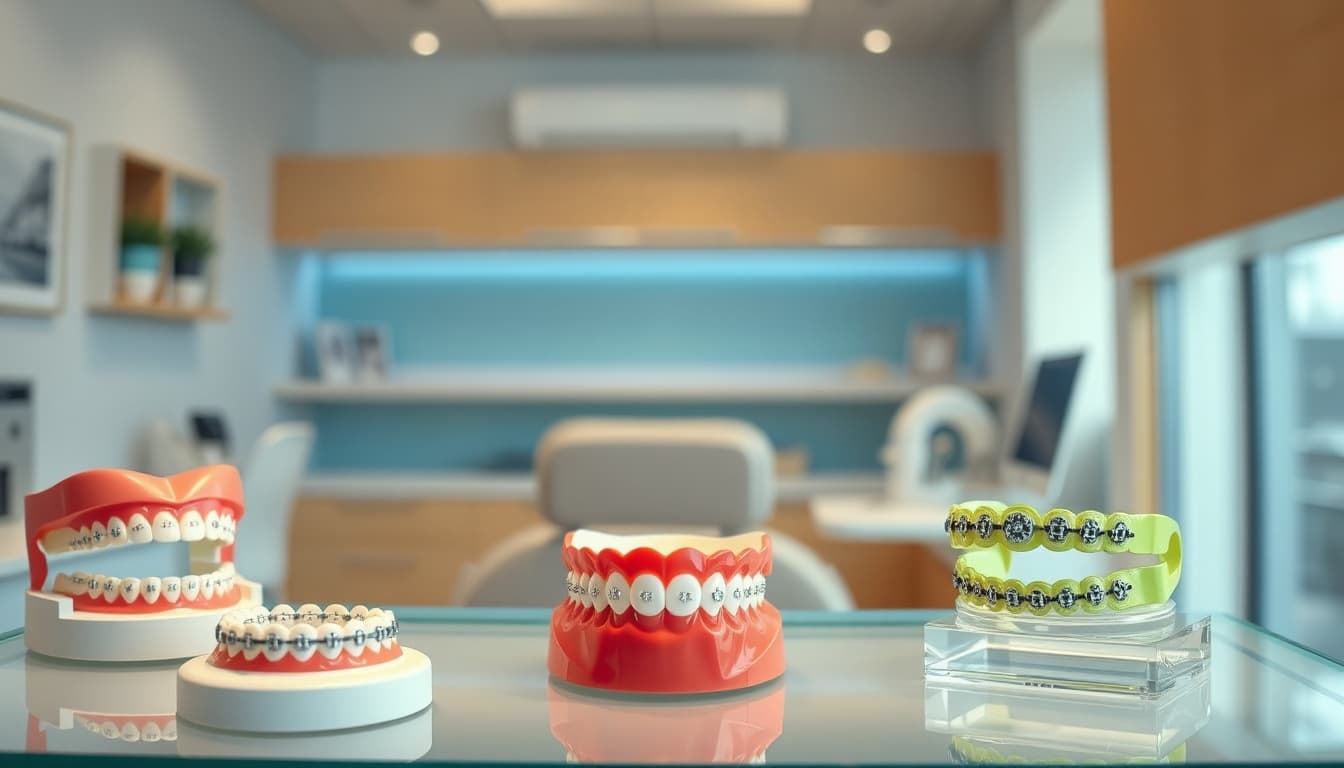
Orthodontic marketing in 2026 has shifted hard toward digital tools and patient proof, as the market balloons to around $9.5 billion this year alone. You're competing with DSOs, teledentistry apps, and chains pushing clear aligners, so your online game needs to pull in families searching for Invisalign or teen braces right now.[4][1] Stick to what works: SEO, visuals of happy smiles, and quick responses to leads.
Market Boom Means More Patients, But Fiercer Fights
The orthodontics world hit $8.98 billion in 2025 and sits at $9.50 billion in 2026, with projections to $38 billion by 2034 at a 19.1% CAGR.[4][3] North America leads with $3.66 billion this year, driven by adults and teens wanting aesthetic fixes like clear aligners.[4]
Your practice owns 89.5% of that dentist-led slice because patients trust specialists over chains.[4] But DSO consolidation slows at 30% market cap, leaving room for independents who market smart.[5] Expect 3.5% production growth and 2% more patient starts if you grab local searches.[5]
Action step: Check Google My Business today. Claim it, add before-and-after photos, and respond to every review within 24 hours to boost local rankings.
Digital Spend Jumps, And It Pays Off Big
Practices bumped digital budgets 12% lately, focusing on PPC, SEO, and social.[1] Paid search alone drives 35% of dental traffic, and 70% of folks research treatments like braces online first.[6]
Teens scan teeth via apps for remote monitoring, cutting visits and loving the convenience.[3] AI tools analyze scans for custom plans, which your marketing can highlight to win cases.[3]
You see this in case acceptance: 64.4% average in 2025, but top practices hit higher with visualization tools showing results upfront.[8] Post short videos of your AI setups or aligner fits on Instagram Reels, targeting parents in your zip code.
Action step: Allocate 10-15% of revenue to Google Ads for "Invisalign near me." Track calls with call extensions, aim for $50-100 per new patient lead.
AI and Teledentistry Change How You Sell Treatments
AI powers 3D scans, predictive planning, and remote consults, making care faster and more precise.[3] Patients expect this now, especially aesthetics from social media influence.[2]
Clear aligners dominate for adults and teens avoiding metal braces, with U.S. demand spiking.[3] Market your teledentistry angle: "Scan at home, start treatment next week."
Only 20% of orthos use consultants, but those who do beat the 3.5% growth average by focusing on data and consumer experience.[5] Use tools like patient journey maps to tweak your site for 80% case bumps.
Action step: Add a "Virtual Consult" button on your homepage. Use free tools like Calendly linked to Zoom, follow up with personalized aligner sims via email.
Visual Branding and Social Proof Seal the Deal
Premium looks win in 2026: crisp sites, smile galleries, and testimonials build trust fast.[1] Social proof matters, as parents scroll TikTok for "ortho before after" before calling.
Video content rules, with 70% researching online.[6] Show real cases, not stock images, to hit emotional notes like confidence.
Competition from chains means you differentiate with local vibes: "Your neighborhood ortho since 2010." Agencies help here, but start in-house with Canva for Reels.
Action step: Audit your site. Ensure mobile speed under 3 seconds, add 10 fresh patient stories with photos. Run a $500 Facebook ad test targeting moms 35-50.
Patient-Centric Wins Beat Corporate Noise
Expectations lean toward comfort, transparency, and sustainability in aligners.[2] Highlight eco-materials or quick wins to stand out.
DSOs push volume, you push relationships. Remote monitoring frees slots for high-value cases.[3]
Data shows independents thrive by owning SEO for long-tail terms like "best teen orthodontist in [city]."[6]
Action step: Survey last 50 patients on what swayed them. Use feedback for Google reviews and site FAQs.
You've got the tools to hit 5-10% growth over industry averages. Start with your Google profile and one ad campaign this week, track new starts monthly, and adjust. Your practice stays independent by owning the digital front door now.[5]
Sources
Ready to grow your practice?
Book a Call